


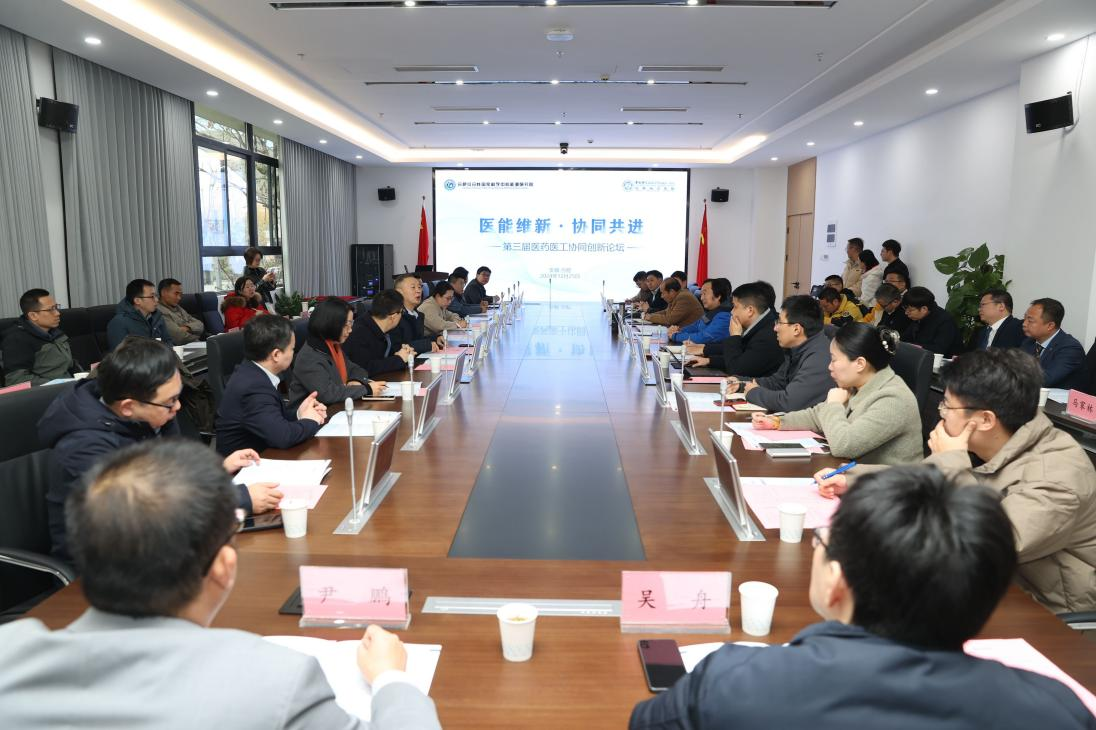
On the morning of December 25, 2024, the 3rd Medical-Engineering Collaborative Innovation Forum was held at the Institute of Energy, co-organized by the Institute of Energy, Hefei Comprehensive National Science Center and the First Affiliated Hospital of the University of Science and Technology of China. Academician Li Jiangang of the Chinese Academy of Engineering, President of the Institute of Energy, and Liu Xinfeng, Vice President of the First Affiliated Hospital of USTC, attended the forum. The meeting was chaired by Hu Haomin, Executive Vice President of the Institute of Energy.
More than 50 participants attended the forum, including leaders and experts from provincial and municipal science and technology and economic authorities; representatives from four Hefei biomedical industry investors — Hefei Industrial Investment, Hefei Science and Technology Innovation Group, Xingtai Research Institute, and Keda Silicon Valley; delegates from multiple medical device companies; as well as research teams from the Institute of Energy and disciplinary teams from the First Affiliated Hospital of USTC.
At the forum, the “Medical Ventilator Sterilization and Disinfection Equipment”, jointly developed by the First Affiliated Hospital of USTC, the Institute of Energy, and Hefei Dami Medical, was successfully transferred through a combination of technology licensing and cooperative development, and signed with Comen Medical with a total contract value of over 26 million yuan. This achievement vividly demonstrates the deep integration strategy of medicine, industry, academia, and research adhered to by all cooperating parties.
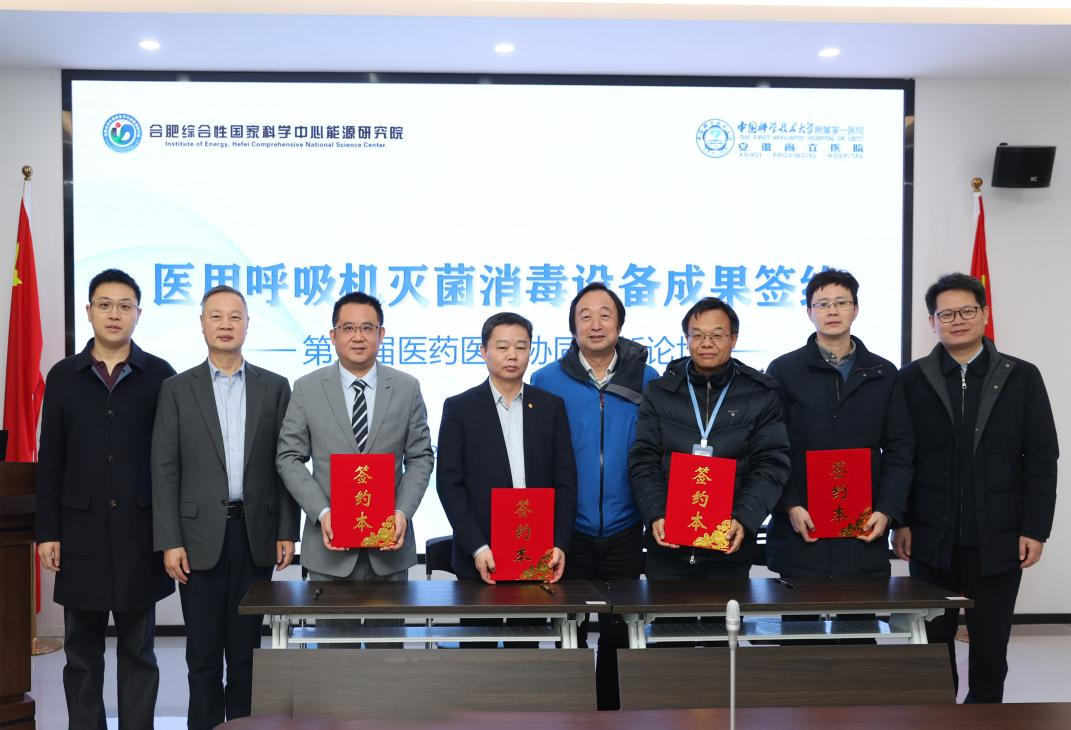
Academician Li Jiangang witnessed the signing ceremony and pointed out that the high-end medical equipment industry is a strategic sector characterized by interdisciplinary integration of science, engineering, and medicine, as well as intensive capital and talent. Scientific researchers must maintain close communication with clinicians, align with actual clinical needs, and solve the “bottleneck” problems in key technologies.
Vice President Liu Xinfeng stated that the global “Big Health” industry is developing rapidly. As a directly affiliated hospital of USTC, it has the responsibility to strengthen research on core technologies, continuously promote the replacement of imported high-end medical equipment with domestic alternatives, and bridge the “last mile” of the industrial chain from R&D to clinical application.
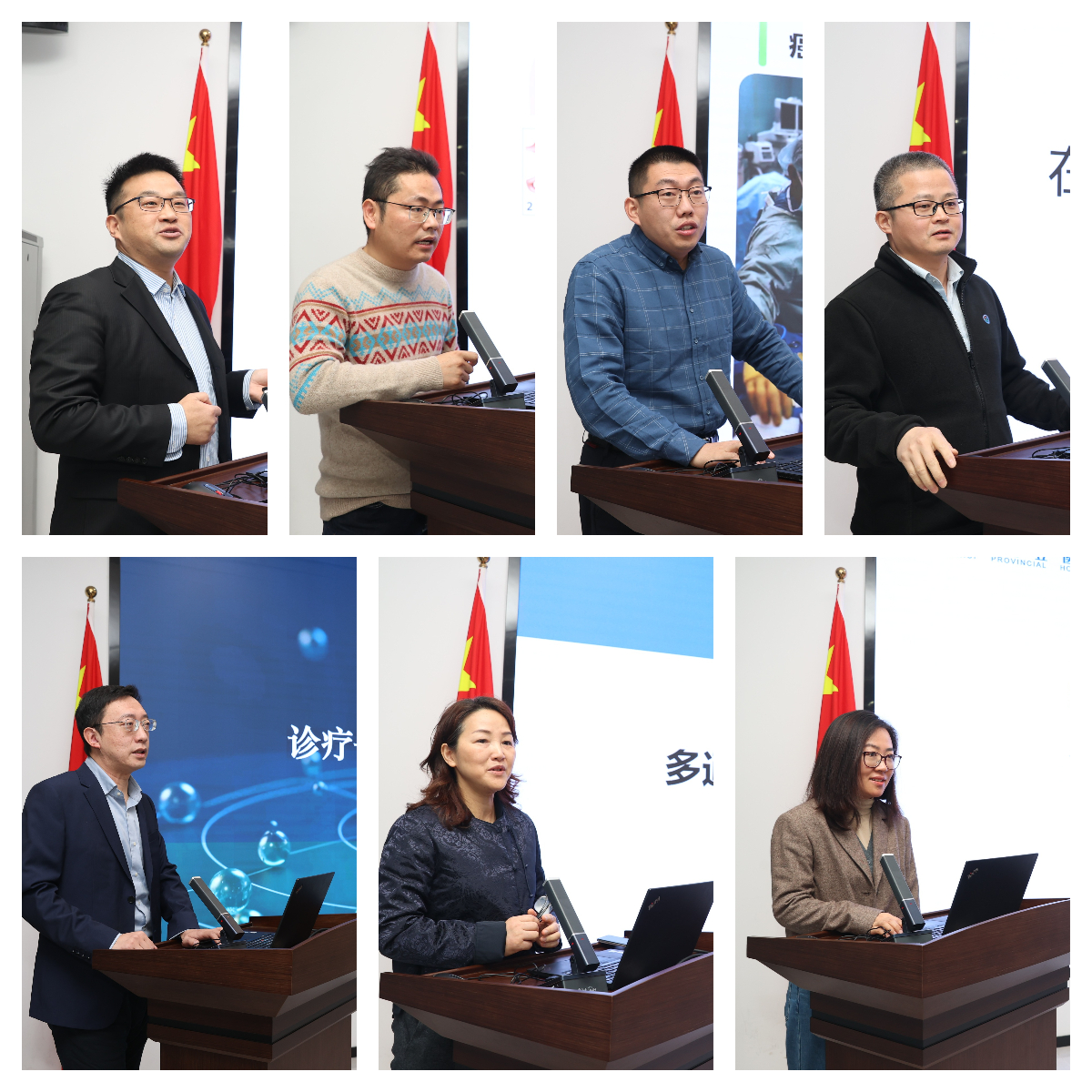
At the forum, researchers from both sides reported and exchanged views on the progress of the jointly developed projects — the “Stain-Free Pathological Section Cancer Cell Recognition System”, “Hip Replacement Monitor”, and “Neutron Therapy” — as well as new technologies and demands. Academician Li Jiangang analyzed the project progress and clinical needs one by one and offered guiding opinions and suggestions.
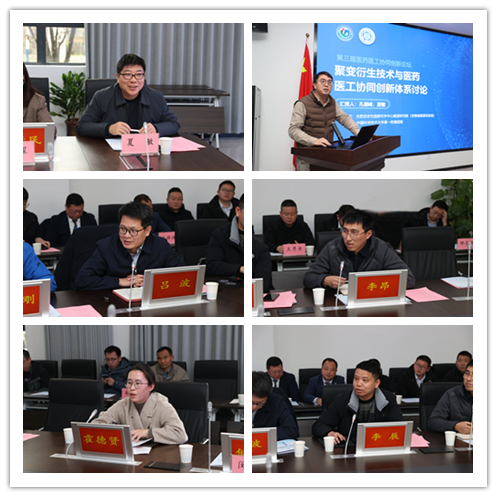
Finally, Xia Min, Chief Innovation Officer of the First Affiliated Hospital of USTC, led the exchange session on the medical-engineering innovation system. Researcher Kong Defeng, Head of the Science and Technology Development Department of the Institute of Energy, delivered a report titled “Fusion-Derived Technologies and the Medical-Engineering Collaborative Innovation System”. Leaders from provincial and municipal governments and representatives of investment institutions engaged in in-depth discussions. All parties actively explored how to empower scientific and technological innovation to drive the transformation and upgrading of the medical and health industry, share resources, seek common development, and jointly open a new chapter in medical-engineering collaborative innovation.
The successful convening of this forum has injected new vitality into the development of regional medical and health services. In the future, the Institute of Energy and the First Affiliated Hospital of USTC will continue to uphold the concept of open cooperation, strengthen exchanges and collaboration, and jointly promote innovative development in the medical-engineering field. They will also integrate bilateral cooperation into the fusion industry system at an appropriate time. Through sustained collaborative innovation and close partnership, they will accelerate the transformation and application of scientific and technological achievements, make greater contributions to improving the quality of medical services and safeguarding people’s health, and work together to create a brighter future for human health.